


Is My Tint Legal? The 2026 Guide to Texas Window Tint Laws
Living in Richmond or Sugar Land during a Texas summer isn’t just uncomfortable; it can be downright dangerous. The intense heat and glare from the sun make window tinting a absolute necessity for daily drivers.
However, we frequently hear the same two concerns from local vehicle owners:
“I want the maximum heat rejection possible.”
“I don’t want to get pulled over on the Grand Parkway and get a ticket.”
At MFR, we believe you shouldn't have to choose between legal safety and driving comfort. Here is everything you need to know about navigating the 2026 Texas window tint regulations while achieving maximum heat rejection.
The Texas Legal Limit: Front Side Windows
This is the number that matters most. According to Texas state law, the front side windows (driver and front passenger) must allow more than 25% of visible light through.
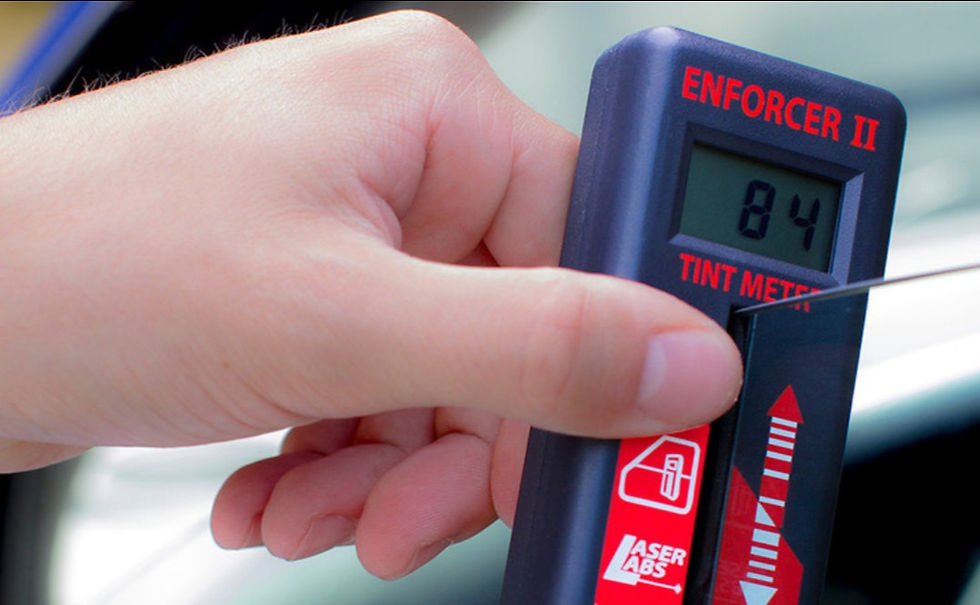
We measure this using a visible light transmission (VLT) meter during the final inspection of every installation. A measurement of 25% or higher is compliant and will pass a standard state inspection.
Rear Windows and the "Raptor Rule"
Texas law is much more permissive for the rear of your vehicle.
Rear Side Windows: There is no legal minimum VLT for rear side windows (second or third row) on SUVs, trucks, and multi-purpose vehicles (like a Tahoe or a Ford F-150 Raptor). You can tint them as dark as you’d like for maximum privacy and shade.
Rear Windshield: Similar to rear side windows, there is no VLT requirement, provided your vehicle is equipped with dual outside mirrors.
The Windshield (Above the AS-1 Line)
You are permitted to apply tint to the top of your front windshield, but it must be applied above the manufacturer’s AS-1 line.
This is usually a small mark about 5 inches down from the top of the glass. We call this a "brow" or "visor" strip. Like the rear windows, this strip can be of any VLT percentage, significantly reducing glaring sun while maintaining legal compliance.
Maximum Heat Rejection is Not About Darkness
Here is the single most important lesson from our 25 years of experience: Darker film does not necessarily equal higher heat rejection.
Standard dyed or carbon films rely on darkness to block light (glare). However, the high-performance Nano-Ceramic Films we install at our Richmond shop are designed to target the cause of the heat: Infrared (IR) rays.
This means we can install a film that is almost completely clear but rejects up to 95% of IR heat. If you want maximum comfort but keep your view legal and visible, high-end ceramic tech is the only answer for the Houston climate.


Comments